

Proposed wedding law reform could give couples more freedom over where they legally marry. For luxury hotels, country houses and destination venues, that creates both challenges and significant opportunities. Here I explore how wedding law reform could affect luxury wedding venues.
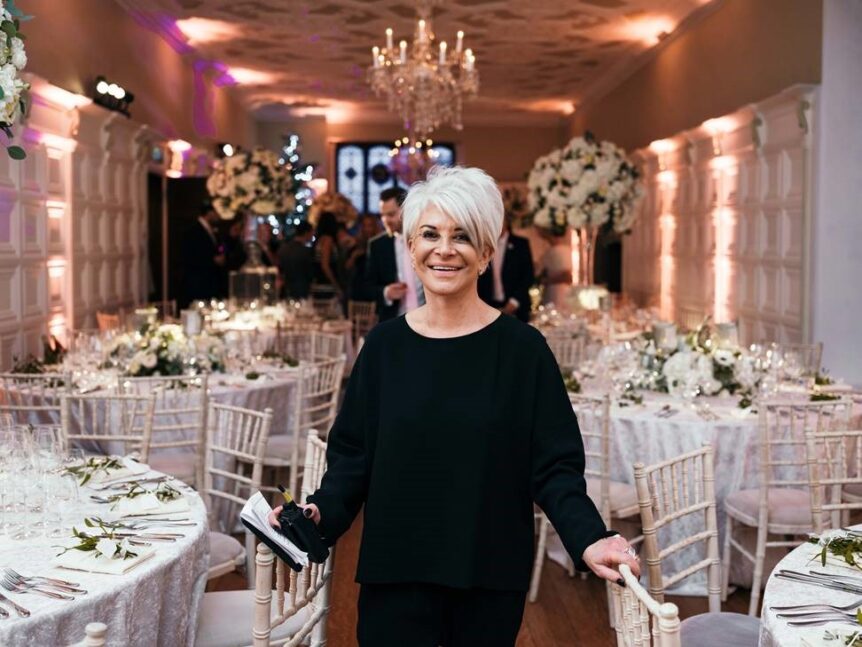
As the founder of one of the UK’s leading luxury event management companies, I have watched the wedding industry evolve. This has spanned more than 35 years. Trends have come and gone. But one thing has become increasingly clear. Today’s couples want weddings that feel personal, flexible and genuinely memorable.
Personalisation now matters more than rigid tradition. Couples want ceremonies and celebrations that reflect who they are, not simply what the law or a venue license allows.
That is why the current consultation on wedding law reform in England and Wales feels so significant. The proposals, which follow the Law Commission’s earlier recommendations, could move the legal focus away from licensed buildings and towards authorised officiants. Potentially allowing couples to marry in a much wider range of meaningful locations.
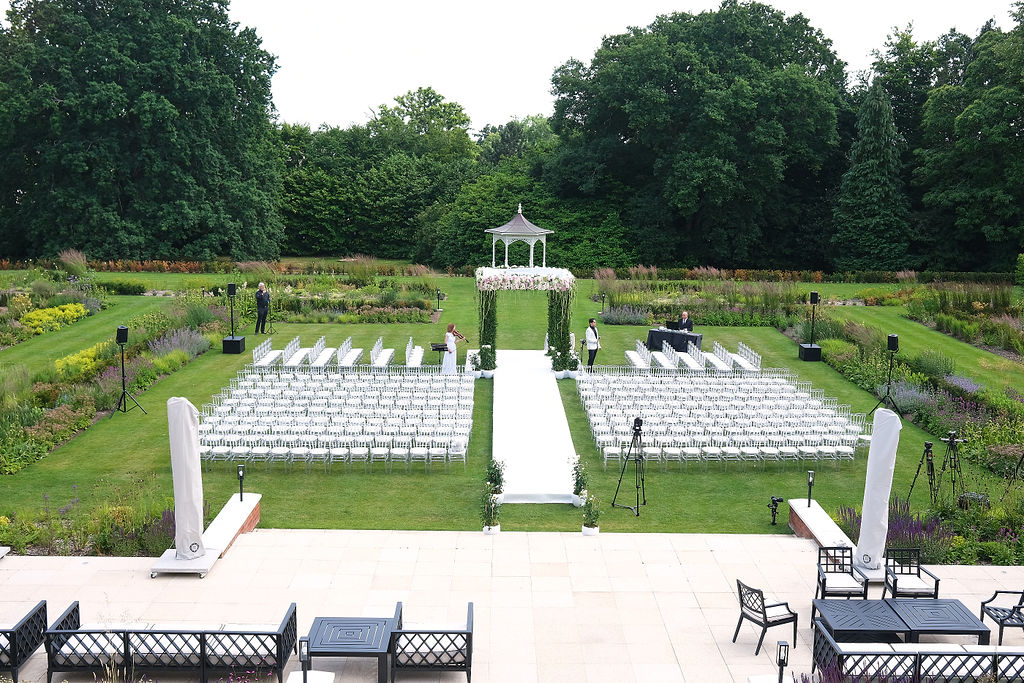
Practically, that could mean legally recognised weddings on beaches. They could occur in gardens, forests, heritage sites, or private homes, provided safeguards and standards are met.
For couples, this sounds like welcome news. For luxury hospitality venues, however, it raises an important commercial question: if couples have more choice over where they marry, how can venues continue to stand out?
How Can Venues Continue to Stand Out?
The answer, I believe, lies in understanding that successful wedding venues have never only sold a legal ceremony space. They sell expertise, reassurance, hospitality and experience.
Although affordability is one of the drivers behind reform, more choice does not automatically mean less profitability for venues. For smart, creative operators, it could open up new ways to package, market and deliver luxury weddings.
For the best venues, wedding law reform should not be seen as a threat. It should be seen as a prompt to innovate. Let’s look in more detail at how wedding law reform could affect luxury wedding venues in England and Wales.
 Wedding Venues Sell More Than the Ceremony
Luxury wedding venues have always offered much more than a beautiful place to say “I do.” Hotels, country houses and destination venues sell something far more valuable: a complete experience.
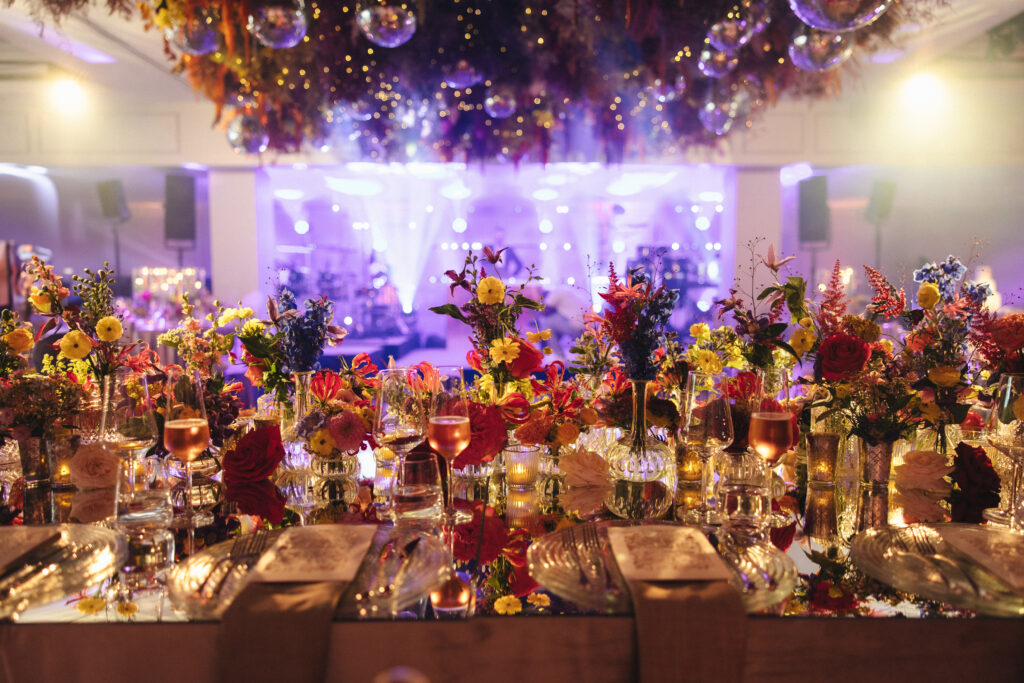
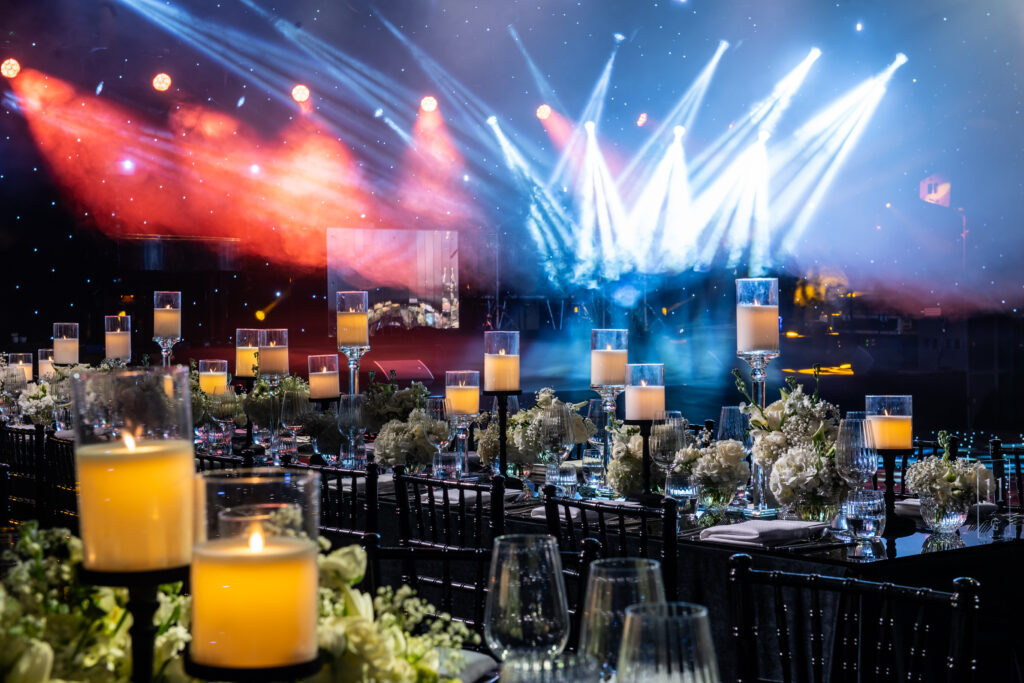
The ceremony itself may last less than an hour. But the memories are created across the whole wedding journey. Planning meetings, menu tastings, welcome dinners, spa treatments, family breakfasts, exceptional food, standout entertainment and impeccable service. At the top end of the market, couples are paying for seamless orchestration and carefully judged moments of theatre.

They are also paying for confidence. No matter where the legal element of the wedding takes place, couples still want the reassurance of handing their celebration to specialists who know how to deliver under pressure.
That will not disappear simply because a couple may be able to marry on a beach rather than on a licensed terrace. In fact, greater flexibility may challenge venues to become even better at what they already do best.
I do a lot of consultancy work for St Brelade’s Bay Hotel, an iconic luxury hotel on one of Jersey’s most spectacular beaches. One of the most common questions couples ask is: “Can we marry on the beach?” Until now, the answer has often been no, although you can marry next to the beach. Under a more flexible legal framework, that kind of request could become much easier to fulfil.
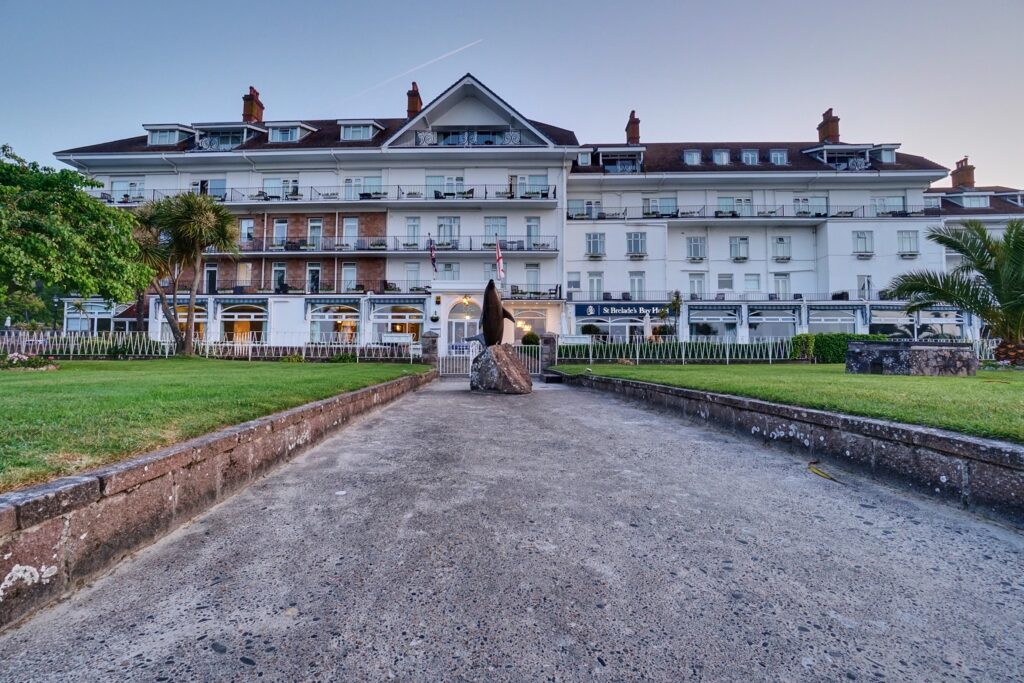
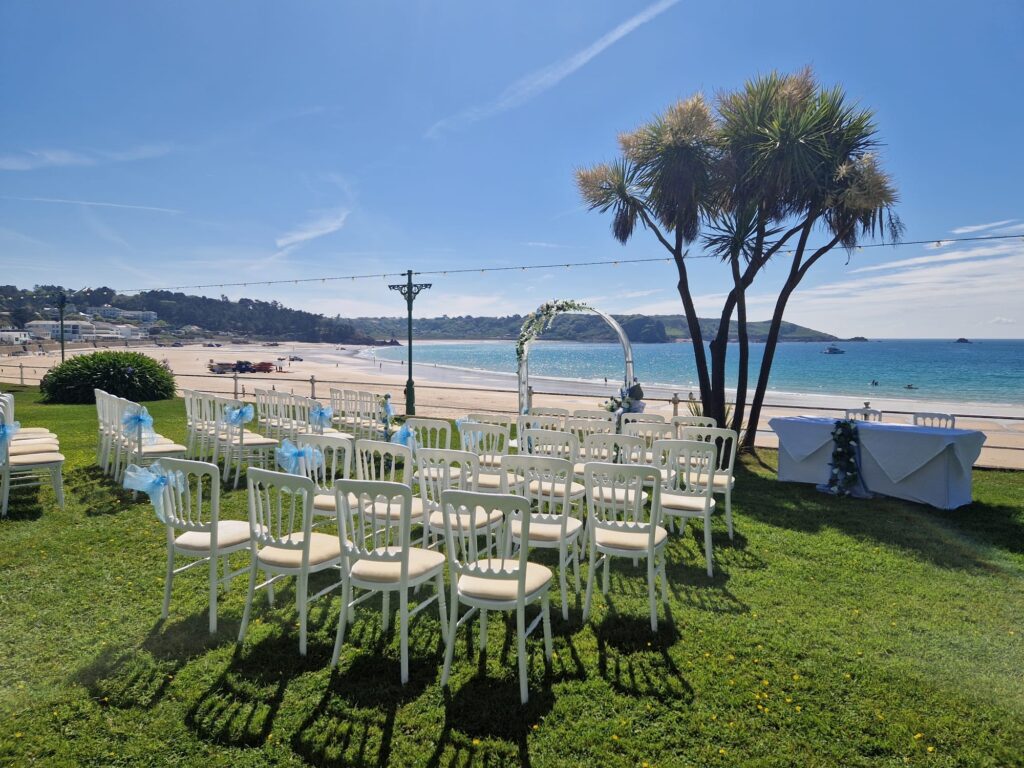
Some couples may choose a ceremony in a beautiful outdoor setting and then celebrate elsewhere. They will connect the ceremony location with a nearby luxury experience that includes accommodation, dining, service and atmosphere, giving them confidence that the team will handle everything beautifully.
How Luxury Venues Can Benefit from Wedding Law Reform
Wedding venues will need to look beyond their licensed ceremony rooms and think more expansively about their full surroundings. Nearby landmarks, gardens, beaches, woodland, courtyards and views could all become part of a more compelling wedding offer.
In my work as a luxury hospitality consultant, I often ask: what does this venue already have that could be made more distinctive, more profitable or more memorable? Unused barns, outbuildings, gardens or terraces can become additional wedding spaces, new income streams and powerful marketing assets when they are thoughtfully designed and positioned.
A venue might offer a horse and carriage to a nearby beauty spot, create a twilight ceremony space overlooking the sunset, or design flexible outdoor ceremony options that respond to the weather. The opportunity is not simply to use more locations; it is to turn those locations into part of the storytelling.
Experience Will Become the New Luxury
If couples have more freedom over where they exchange vows, successful venues will not compete on legal status alone. They will compete on imagination, service, and attention to detail.
I have long believed that luxury goes beyond chandeliers, interiors, or thread counts. Those details matter, of course, but the real measure of luxury is how a venue makes people feel.
Venues that invest in exceptional hospitality, flawless service, outstanding food and second-to-none attention to detail will continue to thrive. Those qualities cannot be replicated simply by choosing a different ceremony backdrop.
The luxury wedding market has never stood still. Wedding law reform would simply be another evolution, and the most creative venues are likely to benefit the most.
Could Wedding Law Reform Boost UK Destination Weddings?
One particularly interesting consequence of the proposed reforms is the potential impact on destination weddings within the UK.
If ceremonies on beaches, in gardens or at coastal locations become easier to arrange legally in England and Wales, some couples may start to see UK wedding destinations as a more attractive alternative to going abroad.
Could that reduce demand for overseas weddings and keep more celebrations within the UK? Possibly.
British couples are already more open to considering locations that once felt too weather-dependent. Beaches and coastal venues in Cornwall, Dorset, Northumberland, Yorkshire and Norfolk can offer the atmosphere of a destination wedding closer to home, with less travel, simpler logistics and the potential for higher guest attendance.
Venues that want to capitalise must remember, however, that destination weddings are about more than scenery. They are about escapism, togetherness and an experience that lasts for several days rather than a few hours. The wedding becomes part of a wider celebration shared with family and friends.
What Should Luxury Wedding Venues Do Now?
How wedding law reform could affect luxury wedding venues in England and Wales now depends on the venues themselves. My advice to hospitality clients is simple: do not fear the proposed reforms. Embrace them and start preparing now. Venues that act early will shape new packages, partnerships and experiences before the market catches up.
The venues that succeed over the next decade will not rely on exclusivity created by legislation. They will succeed because they understand hospitality, recognise opportunity and know how to make every stage of a wedding feel effortless.
They will invest in culinary experiences, beautifully designed accommodation, wellness facilities, thoughtful guest journeys, outstanding customer service and imaginative marketing that positions their venue as distinctive and unmissable.
For forward-thinking venues, wedding law reform could create a competitive advantage. It offers a chance to rethink spaces, develop new revenue streams and give couples more meaningful ways to celebrate.

For years, couples have wanted ceremonies that reflect who they are. Whether that means exchanging vows in woodland, on a family farm, beside the sea or in a private garden, the law is beginning to acknowledge that weddings do not need to fit inside a traditional box.
That is something I wholeheartedly welcome.
As an event planner, I have always believed that no two celebrations should ever look the same.
The hospitality industry must stop protecting what has always been done. It is to create wedding experiences so memorable that couples choose a venue because nowhere else can offer the same feeling.
