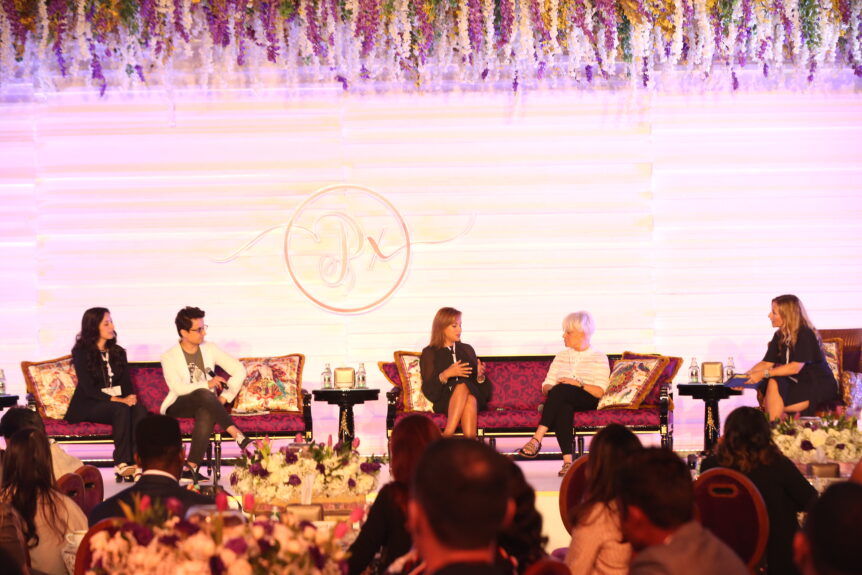
In my work as a motivational speaker, panel discussions are something I’m frequently asked to take part in – acting both as host and contributor. In my work as an event planner, I frequently orgnaise them. Which is why I want to share my thoughts and tips on how to plan the perfect panel discussion at an event. And also how to host one!
It’s one of my favourite formats for a corporate event; panel discussions are a powerful way to engage an audience, bring forth diverse perspectives, and provide depth to any subject. For a conference, seminar, or business event, the panel discussion can impart an entertaining and thought-provoking exploration of a topic – highlighting important aspects that you and your audience may not have considered previously. That said, the success of a panel discussion hinges on effective hosting, varied presenting styles, and the selection of dynamic individuals with both charisma and expertise.
In this blog, I’ll delve deeper into the art of the panel discussion. Exploring key tips for hosting a lively and engaging event. I’ll also showcase different presenting styles of people whom I admire and unveil my tips to keep your audience captivated during your next panel discussion.
BLOG INSPIRATION
Before I launch into my tips for the perfect panel discussion, I want to explain what prompted this blog. I was inspired by a special panel discussion celebrating International Women’s Day, taking place on 8 March in Manchester.
I will be joined by Loose Women regular Brenda Edwards, Celebrity MasterChef winner and television presenter, Angellica Bell, Hello! magazine editor-at-large Rosie Nixon, TV presenter Lizzie Cundy, actress Lisa Riley, television presenter Ruth Langsford and musical theatre star Jodi Prenger as part of a star-studded celebrity line-up for an International Women’s Day lunch debate.
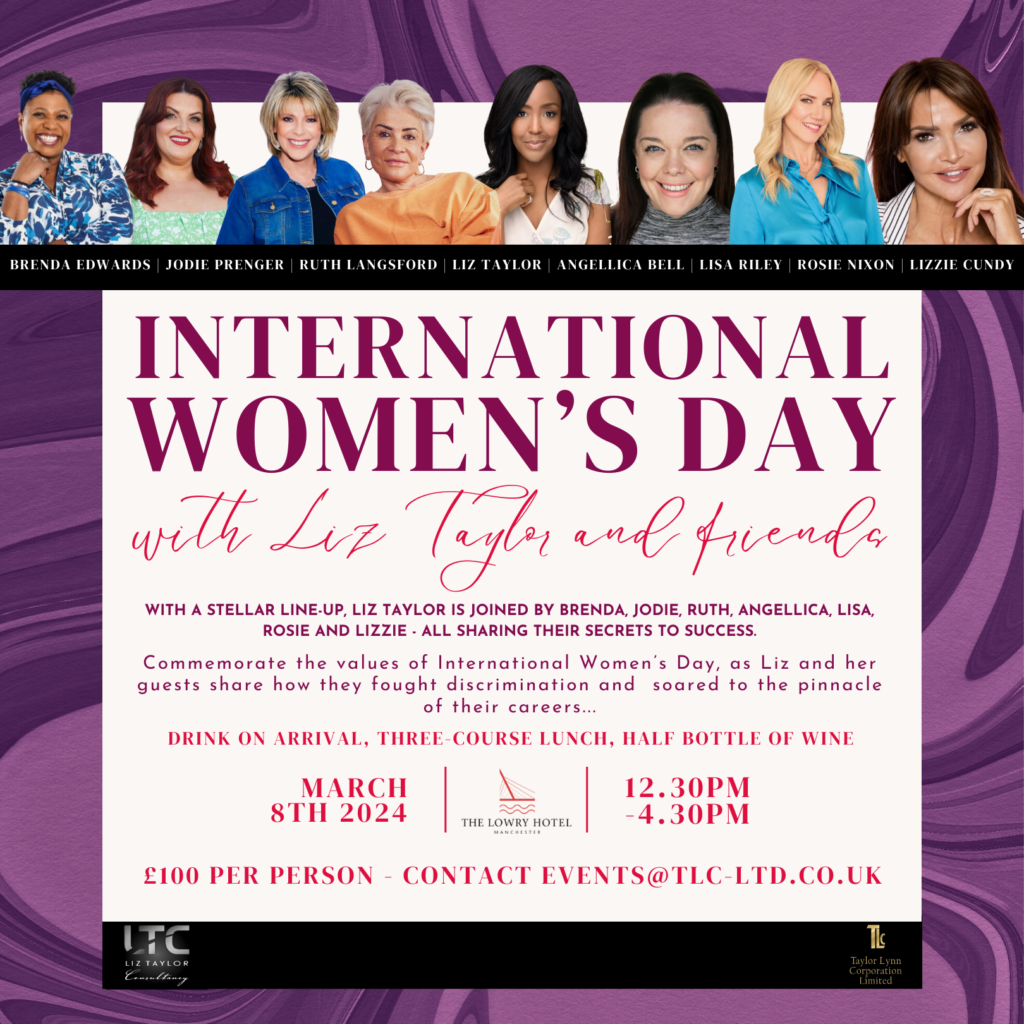
My intention is to honour International Women’s Day 2024 with a unique panel of celebrity women who, despite achieving success in their careers, have all faced the challenge of gender stereotyping.
Find out more here: https://www.tlc-ltd.co.uk/press/celebrity-names-announced-international-womens-day-lunch-manchester/
And now on to my tips on how to plan the perfect panel discussion…….
IS A PANEL RIGHT FOR MY EVENT?
This is something that, as an event planner, I ask myself from the outset. Firstly, if the primary aim is to share diverse perspectives on a specific topic, create audience interaction, or provide in-depth insights, a panel discussion could be the right choice for your event
Interaction
Panel discussions are interactive and allow for audience questions. Done right, they captivate audiences and keep them enthused. Ask yourself if this will appeal to your proposed audience.
Complex topics
Before deciding on the format, consider how complex the topic is. Panel discussions suit multifaceted subjects, where opinions may be diverse or divided. So, if you want to present a range of different perspectives on a particular theme, a panel discussion is for you.
Time
Now, this is high on my list of tips on how to plan the perfect panel discussion: time. Assess the time you have for your event. Panel discussions can be much more time-consuming than a speaker or presentation. Especially if the debate is strong. Ensure the allotted time allows for meaningful discussion without feeling rushed or leaving contributors unable to share their views.
PLANNING THE PERFECT PANEL
So, you’ve decided a panel discussion is right for your event. But when organising one at an event, there are key considerations to address in the initial planning stages.
Objective
First, clearly define the objectives and understand the purpose, goals, and desired outcomes of the discussion. This will guide your decisions throughout the planning process.
For my International Women’s Day event, I want to explore my guests’ journeys, learn where they find the determination to succeed, and uncover how, together, they believe women can drive the change needed to break gender stereotypes. We also aim for a fun, engaging conversation. Will some secrets be revealed? You’ll have to find out…
Topic
Determine the specific topics or themes you want the panel to address. Consider your target audience’s interests and choose subjects that align with the event’s overall theme. A well-defined topic keeps the discussion relevant and engaging.
Panellists
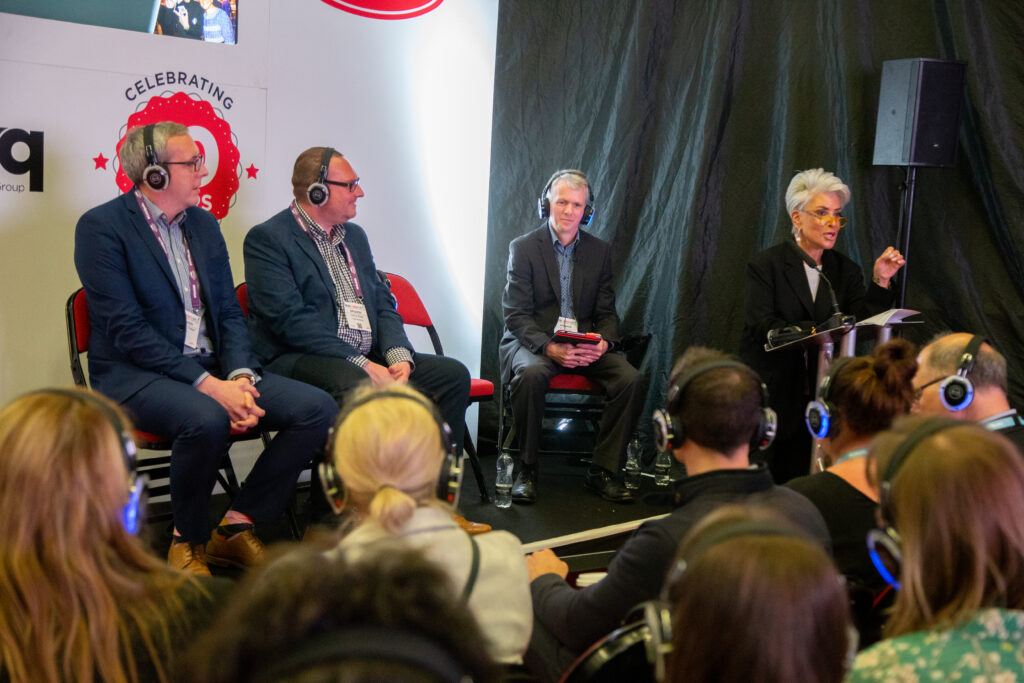
Most importantly, invite panelists with expertise in the chosen topics. If their name is synonymous with a certain issue or viewpoint, it will instantly grab the audience’s attention. Also look for individuals with diverse insights to provide a well-rounded discussion. Look for people who will share their perspective and be prepared to defend it. But not someone so difficult that other panelists can’t share their views. It’s a conversation, after all.
For our International Women’s Day event, my aim was to select women of all ages and backgrounds who could show that, no matter the age or specialism, we’re all bound by common experiences. More importantly, choose those who will gel and make it a fun, thought-provoking event. A little celebrity also helps!
Engagement
Finally, consider audience engagement. Ultimately, your panel discussion should challenge, entertain, or connect with your guests. Decide how questions will be handled. Will there be a dedicated Q&A session? Or will you encourage the audience to submit questions throughout the discussion?
Consider using technology for interactive polls or real-time audience feedback.
Logistics
Check if your event venue and technological setup support a panel discussion format. Are the logistics, such as microphones, seating arrangements, and visual aids, aligned with the requirements of a panel discussion?
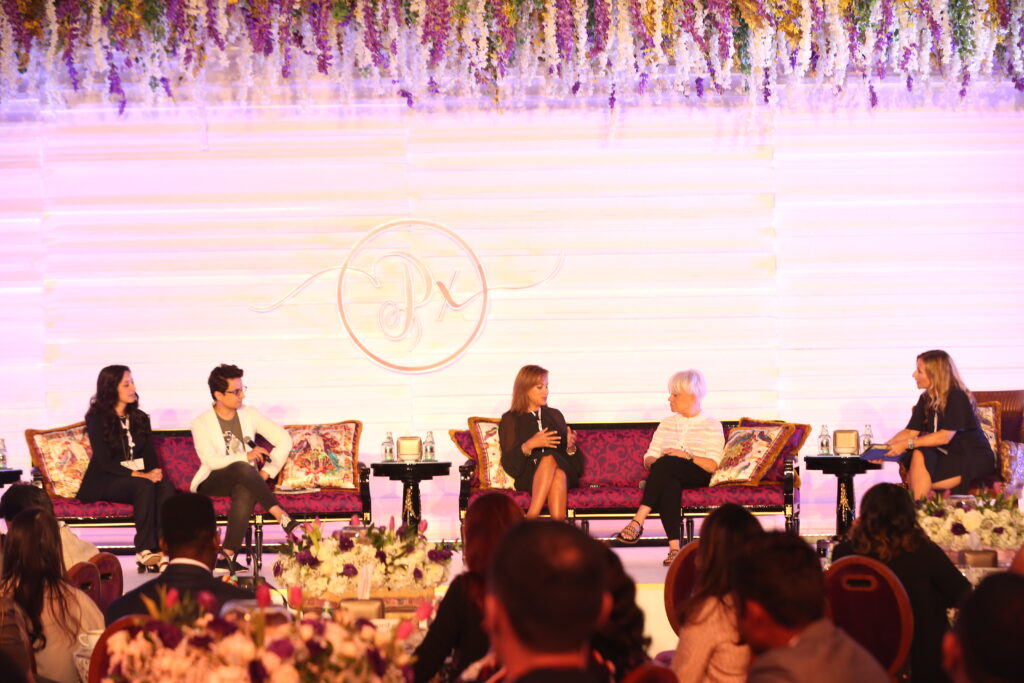
Ensure the seating arrangement allows panelists to interact easily. A semi-circle or a straight-line setup often works well, promoting natural conversation flow.
I always say to invest in professionals for quality audio equipment. This will prevent disruptions and unclear communication. You need someone in the know who can consider factors like ambient noise and the venue’s acoustics. If you consider filming the panel so you can edit and share later with the audience, or on social media, think about where cameras will need to go.
PRESENTING STYLES AND PERSONALITIES
In my tips for planning the perfect panel discussion, I can’t stress enough how the personalities involved will be key. Carefully consider your contributors to ensure they fit the brief and bring your topic to life. Passion and personality is key, so select those with in-depth knowledge and fresh, varied opinions. Otherwise it can be like watching paint dry!
When assembling your panel, it’s worth reviewing the different presenting styles your guests may have. Here are just a few:
Expert Presentations
Some panelists excel at delivering polished, informative presentations. Encourage them to share key insights, facts, and data. This style works well for building a strong foundation on the topic.
Storytelling Approach
Panelists who are adept storytellers add colour and excitement to your discussion. They can share personal anecdotes or case studies to make the discussion relatable.
Debating Dynamics
Foster a debate-style discussion by inviting panelists with differing viewpoints. This can spark lively debates and bring out nuanced perspectives on the topic.
Interactive Demonstrations
For topics that benefit from a hands-on approach, you could include panelists who can offer interactive demonstrations or practical insights. This style is particularly effective in industries like technology or education.
HOW TO EFFECTIVELY HOST A PANEL DISCUSSION
Your panel is in place and the practical considerations are taken care of. What about the host?
I’ve approached this section using my own experience, but the upshot is the same whether you’re hosting yourself or you’re searching for the right candidate. Thorough preparation is key to becoming a successful panel host.
Research
Whenever I undertake this type of role, thorough research into the topic and panelists is my first port of call. It’s the only way you can be sure you can guide the discussion effectively and pose insightful questions.
As the host, it’s advisable to familiarise yourself with the backgrounds, viewpoints, and potential areas of disagreement among the panelists. If you’re working with a professional, then check they have done this or provide briefing sheets and agree a way forward before the event.
If your topic could wander into the realms of controversy, this way you’ll be able to diffuse any volatile discussion points before they become full-blown arguments.
Perspective
As a panel host, you will also need to decide on your own stance or agree with your chosen host. Do you want a neutral moderator? This will be the case in most discussions. Or is the purpose to try to effect change?
Whatever your host’s opinions (private or public), you will need to agree in advance how much you want them to disclose at the event – your PR team can help you with this.
The host’s job on the day is to facilitate the conversation, ensure all panelists have an opportunity to speak, and manage time effectively.
Decide on key messages you want to get across, and make sure the host can steer the discussion back on track if it veers off-topic.
Control
Finally, knowing when to step in and when to back off is another key skill for a panel host. Remember a little bit of heat in the discussion isn’t always bad, but nobody wants to see a full onstage punch-up – unless you’re Jerry Springer.
FEMALE PANEL HOSTS I ADMIRE
Looking to professionals for inspiration can help you polish your hosting performance, so here are some strong female hosts I admire.
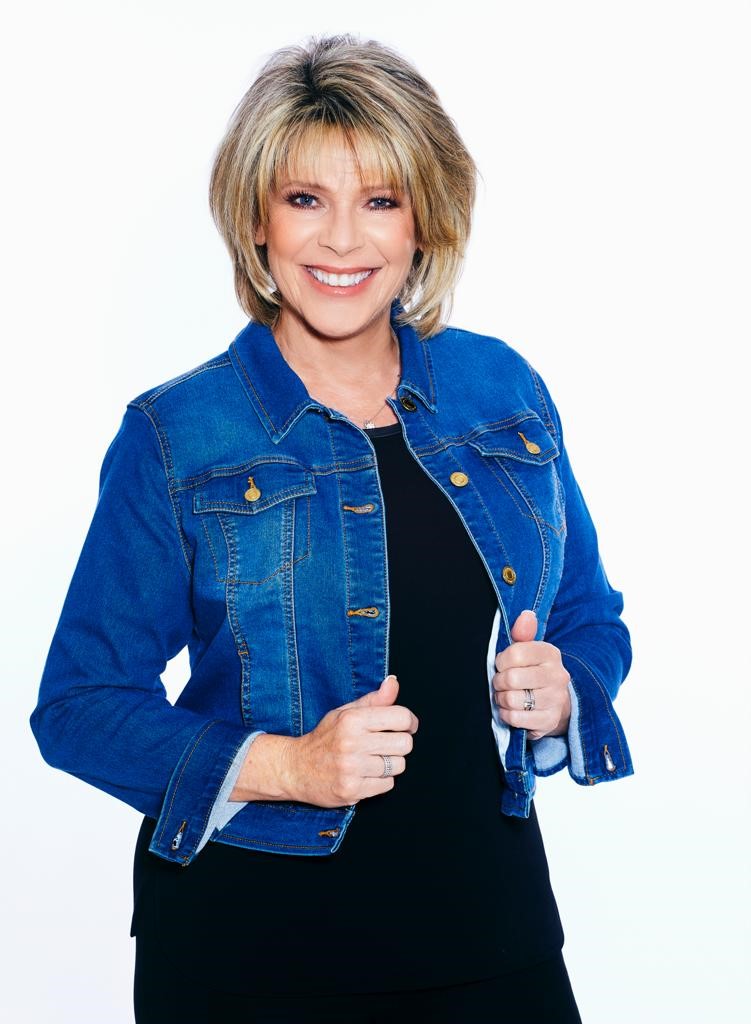
Ruth Langsford – a regular panel guest and host, and a great friend. Ruth’s warm and approachable demeanor creates a welcoming atmosphere that puts everyone at ease. Her style contributes to positive, open discussion as she effectively manages the flow of conversation. Her ability to guide discussions without dominating them showcases her expertise as a moderator.
One of Ruth’s major strengths is her empathetic approach. She actively listens to what the panelists are saying, responds thoughtfully, and ensures that everyone feels heard.
Laura Kuenssberg, the BBC’s political editor, is another female host whom I admire greatly. She is known for her analytical and inquisitive hosting style. Laura delves deeply into topics, asking probing questions that encourage panelists to provide comprehensive insights. This style is effective for discussions that require a detailed examination of issues. She is never afraid to press guests on a question to find the crux of the issue.
And of course, the Queen of panel hosts, Oprah Winfrey, is renowned for her empathetic and relational hosting style. She creates a sense of connection with both panelists and the audience, often sharing personal stories to establish rapport. This approach fosters an environment where participants feel comfortable opening up.
THAT’S A WRAP
A successful panel discussion requires a careful blend of preparation, moderation, technology, and organisation. It also requires a keen understanding of presenting styles. By incorporating diverse perspectives and styles, you can create a dynamic and enriching experience for both panelists and the audience.
Thanks for sharing my tips on how to plan the perfect panel discussion!